




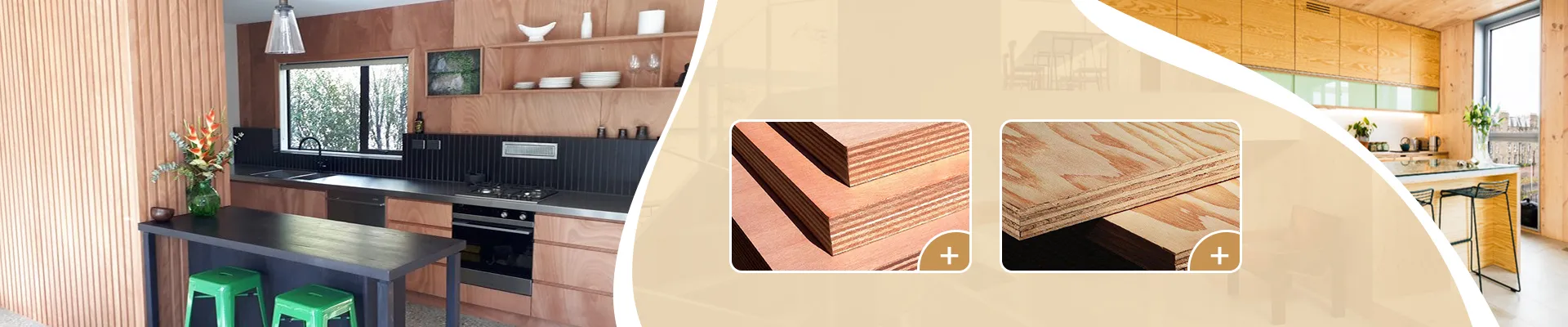
Particle Board Supports Affordable and Efficient Furniture Manufacturing
From compact apartments to large commercial interiors, modern furniture projects require materials that can deliver reliable performance while keeping production costs under control. This growing demand has made particle board a popular choice across the furniture industry. Combining practicality, versatility, and manufacturing efficiency, particle board helps producers create functional and stylish furniture solutions for a wide range of applications.
1. Cost-Effective Material for Modern Furniture Production
Particle board is produced by compressing wood particles and adhesives under high pressure, creating a dense and uniform panel at a competitive cost. Compared to solid wood, particle board offers a more economical solution while still meeting the functional requirements of furniture manufacturing. This affordability makes it especially suitable for mass production, modular furniture systems, and budget-conscious interior projects.
2. Smooth Surface for Laminating and Finishing
One of the key advantages of particle board is its smooth and even surface, which allows for easy lamination, veneering, and decorative finishing. Whether paired with melamine, PVC, or HPL surfaces, particle board provides a clean foundation that supports modern furniture aesthetics. This flexibility enables manufacturers to create products with a premium appearance while maintaining efficient production costs.
3. Versatile Applications Across Interior Spaces
Particle board is widely used in wardrobes, cabinets, office desks, shelving systems, and other indoor furniture applications. Its versatility allows it to adapt to different designs and production requirements, making it a reliable option for residential, commercial, and office interiors. With the growing popularity of modular furniture, particle board continues to play an important role in efficient space planning and contemporary interior design.
4. Efficient Manufacturing and Resource Utilization
Sustainability and material efficiency are increasingly important in modern manufacturing, and particle board supports these goals by utilizing recycled wood particles and wood-processing by-products. This efficient use of raw materials helps reduce waste while maximizing resource value. In addition, the consistent quality of particle board improves manufacturing precision and reduces production errors, contributing to a more streamlined workflow.
5. Lightweight Structure for Easier Handling
Compared to many traditional wood materials, particle board offers a relatively lightweight structure, making transportation, handling, and installation more convenient. This helps reduce labor demands during furniture assembly and installation, while also lowering transportation costs for large-scale distribution and export operations.
Conclusion
Particle board remains an essential material in modern furniture manufacturing thanks to its affordability, versatility, and production efficiency. Its smooth surface, adaptable applications, and resource-efficient production process make it a practical solution for a wide range of interior projects. As furniture manufacturing continues to evolve toward cost-effective and sustainable solutions, Zmadto stays committed to providing high-quality particle board products that support efficient and reliable furniture production worldwide.