




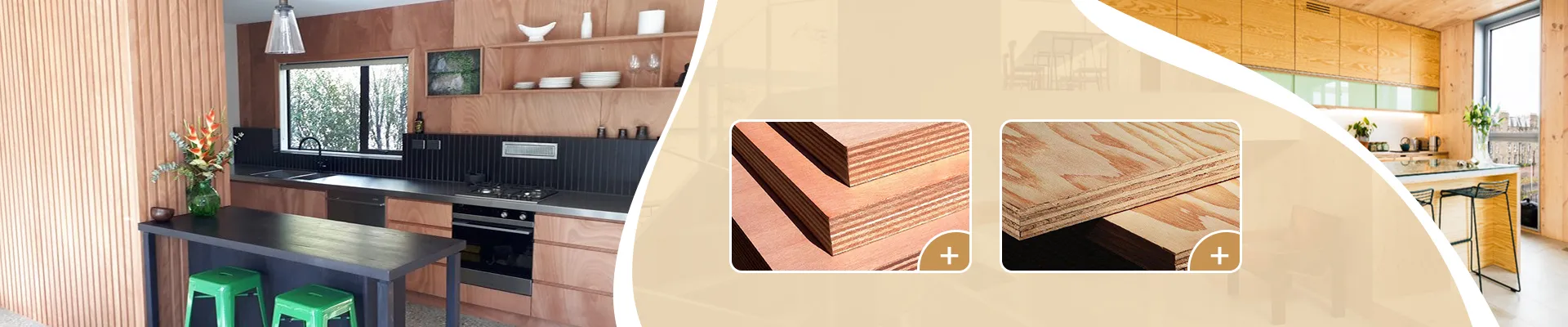
LVL Board Revolutionizes Construction with High-Strength, Lightweight Solutions
In the ever-evolving world of construction materials, LVL (Laminated Veneer Lumber) board has emerged as a game-changer. Offering a perfect balance between strength and lightness, LVL board is quickly becoming the material of choice for structural applications that demand both durability and ease of handling. Its ability to replace traditional solid timber in various applications has made it indispensable in modern construction projects, particularly in areas that require high-load-bearing capacity with reduced material weight.
1. What Makes LVL Board a Preferred Choice in Modern Construction?
LVL board is made by bonding multiple layers of thin wood veneers together, creating a material that is stronger and more uniform than traditional solid wood. This process gives LVL boards excellent dimensional stability, which is crucial for construction applications where strength and precision are paramount. Its ability to resist warping, twisting, or shrinking makes LVL an ideal choice for structural applications such as beams, columns, and roof trusses, providing long-term reliability in high-stress environments.
2. Benefits of LVL in Structural Applications
One of the most significant advantages of LVL is its high load-bearing capacity. Unlike traditional timber, which may have natural defects like knots or irregularities, LVL boards are engineered to provide consistent strength throughout the material. This makes them ideal for use in large-scale construction projects, including high-rise buildings, bridges, and industrial structures. By offering superior strength and performance while reducing material weight, LVL boards contribute to cost savings in construction and transportation.
3. Lightweight and Easy to Handle
Construction projects often require the use of heavy materials, which can increase labor costs and make the construction process more challenging. LVL boards, being much lighter than solid timber, are easier to handle, cut, and transport. This reduces the overall time and labor costs associated with material handling and installation, speeding up the construction process. Workers can easily move and position LVL boards on-site, which also helps reduce the risk of injury during construction.
4. Sustainability and Environmental Impact of LVL Board
Sustainability is a key consideration in today’s construction industry, and LVL board offers significant environmental benefits. The manufacturing process of LVL utilizes smaller, faster-growing trees that would otherwise be unsuitable for traditional solid wood production. By using these renewable resources and minimizing waste, LVL production is more eco-friendly compared to conventional lumber. Additionally, LVL boards can be produced with a smaller carbon footprint, making them a preferred option for projects seeking to meet green building standards and sustainability goals.
5. Future Trends in LVL Board Technology
As the demand for sustainable and high-performance building materials continues to rise, LVL board will likely see further innovations. Advances in manufacturing techniques could enhance the material’s strength, making it suitable for even more demanding applications. Additionally, as smart building technologies become more integrated into the construction industry, we may see LVL boards combined with sensors or coatings that can monitor structural integrity in real-time. This would allow for better monitoring and maintenance of structures, ensuring long-term performance and safety.
Conclusion
LVL boards have revolutionized the construction industry by offering an ideal combination of strength, lightness, and sustainability. With their ability to provide superior load-bearing capacity while reducing weight, they are quickly becoming the material of choice for a wide range of structural applications. As construction continues to evolve towards more efficient and sustainable practices, Zmadto remains at the forefront, providing high-quality materials like LVL board that meet the demands of modern construction.